

Entering a large marketplace like Amazon or Flipkart can feel like a goldrush: list your products and watch the orders roll in. In reality, most new fashion or D2C brands struggle to get even a few sales. They pour money into ads and promotions but still see zero traction. This article examines the key reasons behind this pattern and—most importantly—what to do about it. We draw on marketplace fee data and seller reports to identify where the breakdown happens, and offer practical fixes for each problem. (Spoiler: focusing on better listings and true unit economics is crucial.) Platforms like Nipher (with features like 0% commission, AI-driven listings, and brand stores) are designed to address these exact challenges.
No Visibility Without Ads

On established marketplaces, new products often have *no organic presence*. Unless you pay for ads, your listing is buried under thousands of others. In one analysis, after fees on a ₹300 sale, the remaining margin was slim (~₹190–230 on Amazon, similar on Flipkart). In this low-margin scenario, running ads on top of it can break your budget. The Shizz blog warned that “organic shelf space for a new … brand is close to nil” on all these platforms. In short: without paying to boost your listing, almost no one will see it.
Dependence on Paid Ads
Selling on Amazon or Flipkart often forces a vicious cycle: “no sales → no rank → no sales.” To break this, many brands immediately buy ads (sponsored listings, social media ads, etc.). But with low unit economics, this is unsustainable. The real fix is to find ways to be discovered without ads in the first place: for example, by optimizing your listing SEO, leveraging community marketing, or using a seller-friendly platform like Nipher that emphasizes organic search and brand discovery. (Nipher explicitly promises “organic discovery before ad burn” to reduce this dependency.) See [how to get your first 50 orders without ads](https://nipher.in/blog/first-50-orders-fashion).
Price Wars and Margin Squeeze
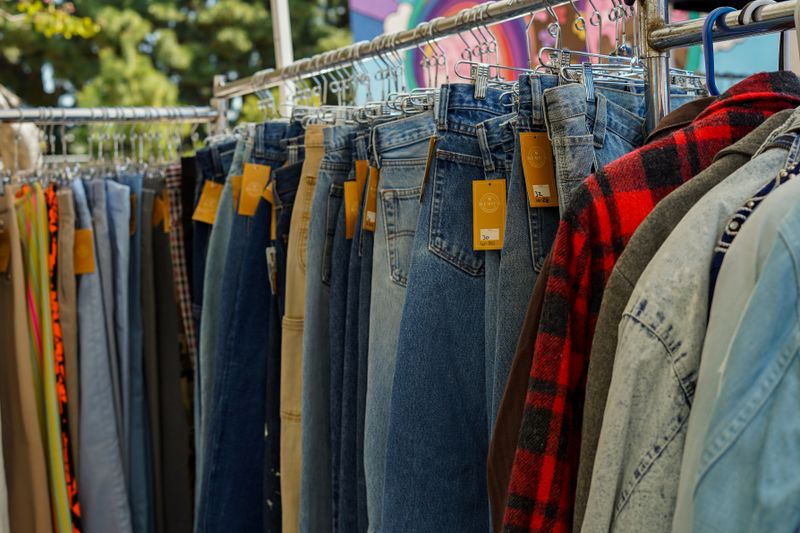
On a generic marketplace, products are compared side-by-side, and the lowest price usually wins. New brands often slash prices to compete, leaving them with almost no profit. As Nipher’s analysis notes, on a pure marketplace “brands may compete heavily on price and *lose identity*” when product presentation is weak. This commoditization ignores brand story and quality.
Fix: Stop competing solely on price. Highlight what makes your brand unique (better fabrics, ethical sourcing, special designs). Use your listing (title, images, bullet points) to communicate benefits—not just specs. For instance, instead of “100% cotton shirt”, say “breathable cotton for all-day comfort”. Platforms with brand stores (like Nipher’s) let you showcase the brand story and collection in one place. Emphasize value through bundles or loyalty offers rather than racing to the bottom on price. If you are still choosing a channel, read [D2C vs Marketplace: Which channel to choose?](https://nipher.in/blog/d2c-vs-marketplace).

New sellers often underestimate marketplace fees. For example, even with “0% commission” promotions, Amazon still charges closing fees, shipping, and GST. On a ₹300 product, one analysis found you’d take home only ~₹190–230 after Amazon’s deductions (Flipkart’s take-home was ~₹185–240). Add in advertising spend, and you can easily end up at a loss. Returns make it worse – a single ₹100 return shipping can erase the profit of multiple orders.
Fix: Do the math on every product. Before listing, calculate the final margin after *all* costs: referral fees, fixed fees, shipping, taxes, and expected ad spend. If your profit per unit doesn’t cover your cost of acquisition (CAC), don’t promote it blindly. Use a marketplace fee calculator or spreadsheet (and factor in your time/packaging cost) to get a true picture. Choose products or channels with sustainable economics (the Shizz suggests Amazon for premium items with search demand, Flipkart for value, and using Meesho carefully due to return costs). Crucially, keep your own D2C channel as a margin anchor and use marketplaces mainly as discovery, not the sole sales engine. Use the [fashion seller unit economics tool](https://nipher.in/tools/fashion-seller-unit-economics) to model your costs.
Lack of Brand Ownership

On Amazon/Flipkart, customers often remember the marketplace, not your brand. Your brand identity gets diluted: packaging is generic, communication is via the platform, and you often can’t remarket to customers. This hurts repeat sales. The solution is to build your brand on multiple fronts. Create a memorable listing with your logo, have a strong “brand” or storefront, and even consider your own site or social channels to capture customer interest.
Fix: Even on marketplaces, craft a cohesive brand experience. Use consistent logos, colors, and tone in your listing images and descriptions. Include a QR code or card in every package that encourages joining your email list or following you on social media (turn one marketplace sale into multi-channel contact). Platforms like Nipher encourage brand-building: every seller gets a public brand store where shoppers “understand your brand, compare your catalog, and come back”. Driving traffic to your brand store or website ensures customers associate the product with you, not just the marketplace. For the foundations, see [how to start a clothing brand in India (2026)](https://nipher.in/blog/start-clothing-brand-india).
Poor Listing Quality

Many new sellers do the bare minimum: a single low-res photo and a short, jargon-filled description. On marketplaces, that means no clicks. Research shows shoppers form a buying decision within 3–5 seconds, mostly based on images. Listings with well-designed infographic images and clear benefit statements convert much better. If your photos or copy are weak, buyers just scroll past.
Fix: Upgrade every product page. Use high-quality images (white background + 1–2 lifestyle shots). Add 4–6 infographic-style images highlighting key features or usage. Write titles and bullet points with customers in mind: use the exact keywords they’d search and focus on *benefits* (“all-day comfort”, “colorfast after 50 washes” etc.) rather than technical specs. (Nipher’s platform even offers AI-assisted listing improvements to make this easier.) Regularly A/B test different images or titles if possible. A clear, compelling listing is your best free “ad” and dramatically improves organic rankings over time. Follow this [fashion product listing optimization guide](https://nipher.in/blog/product-listing-optimization-fashion).
Limited Data & Learning

Another hidden issue: marketplaces often don’t tell you *why* you’re not selling. You see total views and sales, but not the full funnel metrics or customer search data. Without insights, you can’t iterate effectively. Good platforms give you visibility into search trends, click-through rates, and customer queries.
Fix: Use platforms and tools that provide seller insights. For example, Nipher is building search-insight tools to show what buyers are searching for, so you can tweak your catalog and keywords. Also, track your own metrics closely (CTR on ads/listings, conversion rate, return rate). Even simple surveys or comment cards can reveal if the product meets expectations. Continuously refine your listings and strategy based on this data. Learning from each batch of views/sales is how you improve your listing quality and marketing over time.
How to Fix These Issues: An Actionable Guide
- Optimize Listings First: Spend the first week perfecting 3 flagship products. Do keyword research, craft benefit-driven titles/bullets, and upload top-quality images (infographics + lifestyle shots). Tools like [AI listing helpers](https://nipher.in/blog/product-listing-optimization-fashion) can speed this up.
- Calculate Real Margins: For each product, list all fees and expected ad costs to see actual profit. Drop or re-price any product with negative or razor-thin margin. Consider focusing on higher-ticket items (where relative commissions are lower) or smaller SKUs with lower shipping costs.
- Build Brand Touchpoints: Add a pack insert with a small discount code for next purchase or a request to follow you on Instagram. This turns one sale into a repeat opportunity off the marketplace. Also set up your own simple D2C store or landing page as the sales anchor.
- Test Demand Organically: Instead of starting with ads, try a small community-driven push: share your listing on Facebook groups, forums, or with micro-influencers relevant to your niche. See if you get any organic orders. If you do, it’s proof of concept; if not, tweak the product or listing first before spending on ads.
- Join Seller Communities: Platforms like Nipher have seller forums and support. Use them to ask questions, get listing reviews, or find collaboration opportunities. Peer feedback often highlights issues you miss on your own. [Start selling on Nipher](https://nipher.in/start-selling-online) and explore the [seller onboarding guide](https://nipher.in/blog/how-to-become-a-seller-on-nipher).
- A/B Testing Routine: Commit to testing one listing element at a time. For example, run a small ad campaign (even ₹100) with Image A vs Image B, or two different titles, to see what yields higher CTR. (Nipher’s Manage Your Experiments feature is planned to facilitate this.)
30-Day Action Plan
Break your first month into focused phases. The timeline below illustrates a sample 30-day launch plan:
| Dates | Days | Action |
|---|---|---|
| 2026-10-05 | Day 1–3 | Finalize 3 core products & keywords |
| 2026-10-08 | Day 4–7 | Complete listing setup (images, SEO, brand details) |
| 2026-10-12 | Day 8–14 | Soft launch (community posts, influencer mentions) |
| 2026-10-19 | Day 15–21 | Add pack inserts & email capture; collect feedback |
| 2026-10-26 | Day 22–28 | Evaluate early sales, adjust pricing or bundling |
| 2026-11-02 | Day 29–30 | Review KPIs, plan next steps/ad budget |
30-Day Seller Launch Plan
Measuring Success: KPIs to Track
- Product Page Views and Click-Through Rate (CTR): Use internal metrics or ad reports. A jump in CTR after a listing revamp means your images/titles improved.
- Conversion Rate: Orders per 100 visitors. Aim to see this rise by making copy and trust signals better (reviews, answered FAQs).
- Customer Acquisition Cost (CAC) vs Profit: If you run ads, track how many ads ₹1 yields. Calculate break-even CAC (post-fees) to ensure ads aren’t losing money.
- Repeat Purchase Rate / Email List Growth: Measure how many customers return or sign up (via inserts). Even a small email list is huge advantage.
- Ranking for Target Keywords: Check if your products start appearing higher in search for your main keywords over time. This indicates improving “organic” ranking.
These KPIs help you see if listing optimizations and branding efforts are paying off. If metrics stay flat, revisit the listing or your marketing channel.
Conclusion & Next Steps
New brands fail on big marketplaces not because the market is bad, but often due to entering unprepared. The fixes are straightforward: optimize your listings fully, understand the real costs, and focus on building a brand. Use data to guide your decisions. Consider a seller-friendly platform to ease the transition — for example, Nipher offers a brand store, AI listing tools, and low fees initially to help you get traction. Follow the 30-day plan and keep measuring progress. With persistence and these right strategies, you’ll turn those zero orders into sustainable growth.

[Start Selling on Nipher – Get 0% commission on your first 20 orders!](https://nipher.in/start-selling-online)
FAQs
Can a new brand really succeed without spending on ads?
Yes – if you optimize your listings and reach customers organically first. By using keyword-rich titles, great images, and community outreach, you can get initial orders without ads. Focus on strong listing SEO and leverage any available free visibility (e.g. niche forums, social media). Only add ads once you have a tested product and optimized page. Platforms like Nipher also give smaller brands an organic boost through curated discovery, reducing immediate ad dependence.
How do I calculate if a product is actually profitable on a marketplace?
List out all costs per unit: product cost, packaging, shipping (in & out), marketplace fees, GST, and expected ad CAC. Compare this sum to your selling price. For instance, on a ₹300 item you might pay ~₹50 in shipping+GST and ₹20 in commission, leaving ₹230. If your product cost is ₹200 and you spent ₹20 on ads, you only break even. Use the fee tables (like the one above) or the marketplace’s fee calculator to model scenarios before launching campaigns.
When should I focus on building my own website vs selling on marketplaces?
Ideally, do both. Marketplaces give initial reach, but your own site (or social store) is where you own the customer relationship. Even while selling on Amazon/Flipkart/Nipher, start collecting emails, and drive some traffic to your own landing pages for promotions or product launches. Over time, as sales grow, your owned channel can improve margins (no commissions) and brand loyalty. But early on, use marketplaces to get discovered – just don’t neglect your brand channel.
What is Nipher’s advantage for new sellers?
Nipher is an India-focused marketplace built for D2C brands. It offers a brand-first approach: sellers get a visible brand store, AI-powered listing support, organic search placement, and community help. Critically, new sellers get 0% commission on their first 20 orders, giving them a chance to build sales before fees kick in. Nipher’s tools (like search insights and clear seller dashboards) also help you learn and improve faster than on generic platforms.
How should I price my products when starting out?
Price to cover your costs and a basic profit margin, but also consider perceived value. Don’t automatically set the lowest price. Instead, ensure you factor in all fees (see the example above) and aim for at least a small profit per sale. You can offer bundle deals (e.g. “Buy 2, get 10% off”) to increase average order value without cutting your base price. Over time, if your brand gains trust, you can gradually raise prices to improve margins, as long as the value story is clear.
Author: Ganesh Prajapati (Founder, Nipher) Reviewer: Priya Mehta (Content Lead, Nipher)
New brands fail on big marketplaces not because the market is bad, but often due to entering unprepared. The fixes are straightforward: optimize your listings fully, understand the real costs, and focus on building a brand. Use data to guide your decisions. Consider a seller-friendly platform to ease the transition — for example, Nipher offers a brand store, AI listing tools, and low fees initially to help you get traction. Follow the 30-day plan and keep measuring progress. With persistence and these right strategies, you’ll turn those zero orders into sustainable growth.